

A negative PRRA decision can feel devastating. For many people, a Pre-Removal Risk Assessment, commonly called a PRRA, is one of the last formal opportunities to explain why they should not be removed from Canada.
When that application is refused, the person and their family may feel that everything is finished.
A PRRA refusal is serious, but it does not always mean there are no legal options left.
The next step depends on the facts, timing, evidence, removal status, and whether there are legal issues in the PRRA refusal decision.
Rattan Immigration assists clients across Brampton, Toronto, Mississauga, Ontario, and across Canada with PRRA refusal strategy and removal defence matters.
Book a ConsultationPRRA stands for Pre-Removal Risk Assessment.
IRCC explains that PRRA is a process used to ensure a person is not removed to a country where they may face persecution, torture, risk to life, or cruel and unusual treatment or punishment.
A PRRA is not the same as a refugee hearing before the Refugee Protection Division.
In many cases, a PRRA is decided based on written submissions and supporting evidence.

Bill C-12 has created serious concern for many refugee claimants in Canada.
Some refugee claims may not be referred to the Immigration and Refugee Board depending on timing and entry circumstances.
In these situations, PRRA may become an important protection option before removal.
However, PRRA eligibility depends on timing and CBSA instructions.

A PRRA application may be prepared by an authorized representative.
Clients should always verify whether their representative is licensed and authorized.
We assist clients with refugee claims, PRRA applications, PRRA refusals, H&C applications, and CBSA removal matters.
Speak With a Licensed RCIC-IRB
If PRRA is refused, removal may move forward.
CBSA has public guidance explaining that enforceable removal orders are expected to be carried out as quickly as possible.
After a PRRA refusal:

One possible option after a PRRA refusal is judicial review at the Federal Court of Canada.
The Court generally reviews whether the PRRA decision was reasonable and procedurally fair.
A judicial review does not automatically stop removal.
If removal is scheduled, a person may need to request a stay of removal from the Federal Court.
Removal matters can become time-sensitive very quickly. Early action matters.
Contact Rattan Immigration
A deferral request asks CBSA to temporarily delay removal because of urgent circumstances.
| PRRA | H&C Application |
|---|---|
| Focuses on risk of return | Focuses on humanitarian hardship |
| Protection-based remedy | Compassion-based remedy |
| May stop removal temporarily | Does not automatically stop removal |
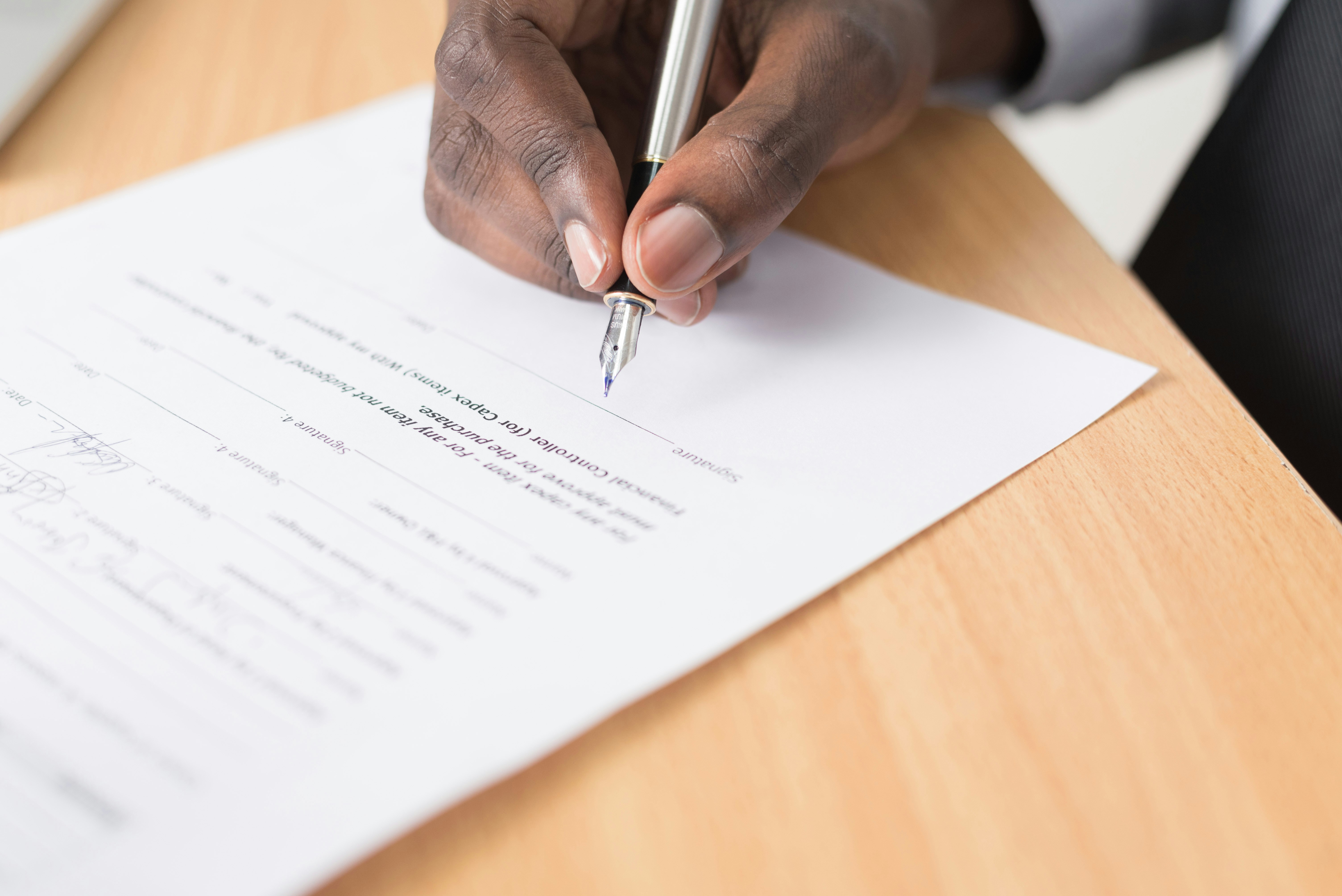
Some people ask whether another PRRA can be filed after refusal.
New evidence may still matter for:


A PRRA refusal is serious, but a negative decision does not always mean the matter is finished.
Possible next steps may include:
Rattan Immigration assists clients across Canada with PRRA refusal review, refugee matters, CBSA removal strategy, H&C applications, and immigration representation.
Book Your Consultation TodayRemoval may move forward, but legal options such as judicial review, stay of removal, deferral requests, or H&C applications may still be available.
Yes. Some PRRA refusals may be reviewed through the Federal Court judicial review process.
No. A separate stay of removal request may be required.
In many cases there are waiting periods before another PRRA becomes available.
Disclaimer: This article is for general information only and should not be considered legal advice.
Rattan Immigration is operated by Abhishek Rattan, RCIC-IRB, a licensed Canadian immigration consultant authorized to represent clients in immigration and refugee matters.